Stun guns require careful consideration for safe storage to maximize their effectiveness and prevent harm. Keep them out of children's reach, use secure storage solutions like lockable boxes or safes, and clearly mark storage areas. Choose voltage levels tailored to your needs (10-20 kV for urban safety, 30 kV+ for outdoor adventures), and comply with local laws. Regular testing, battery replacements, cleaning with a dry cloth, and inspections for wear are essential for optimal performance. Always store stun guns charged but unactivated, and stay updated on legal obligations for safe handling.
“Uncover the power of self-defense with a comprehensive guide to stun gun voltage, safety, and maintenance. Understanding the optimal voltage range ensures effective protection without causing harm. Learn the best practices for storing your stun gun safely, including expert tips on selection and care to prolong its lifespan.
Explore legal aspects and stay informed about regulations governing stun guns in your region. Discover how to make informed choices based on personal needs, ensuring peace of mind and ultimate safety.”
- Understanding Stun Gun Voltage Range
- Safe Storage Practices for Stun Guns
- Choosing the Right Stun Gun for Your Needs
- Maintenance and Care Tips to Ensure Longevity
- Legal Considerations and Regulations
Understanding Stun Gun Voltage Range
Stun guns are designed to temporarily incapacitate an attacker, but their effectiveness relies on understanding and adhering to specific voltage ranges. These devices emit a high-voltage electric shock, which disrupts muscle control in the target, causing them to fall or become immobilized for a brief period. The voltage range typically varies from 50,000 to 150,000 volts, depending on the model and intended use. It’s crucial to know that higher voltage doesn’t always guarantee better protection; it can lead to increased risk of severe injuries if used inappropriately.
When storing stun guns, it’s essential to consider their voltage range as part of overall safety measures. Always keep them out of reach of children and unauthorized individuals. Store them in a secure location, away from moisture and extreme temperatures, which can affect performance. Additionally, regularly inspect the device for any signs of damage or malfunction, ensuring proper functioning during an emergency. Proper storage and understanding voltage specifications are key to maximizing safety while carrying and using stun guns.
Safe Storage Practices for Stun Guns
Storing a stun gun safely is paramount for ensuring its effectiveness and preventing accidental discharges. It’s crucial to keep it out of reach of children and unauthorized individuals, storing it in a secure location within easy grasp. Use sturdy lockable boxes or safe cabinets designed specifically for storing stun guns, ensuring they are not easily accessible by curious hands.
Implementing proper labeling practices is another key aspect of safe storage. Clearly mark the box or cabinet with the word “Stun Gun” and include warning labels highlighting its power output and safety instructions. Regularly checking and maintaining your stun gun’s storage area is essential, ensuring it remains secure and untouched, thereby safeguarding both your personal safety and that of others.
Choosing the Right Stun Gun for Your Needs

When choosing a stun gun, consider your specific needs and requirements. Different models offer varying voltage ranges, with higher voltages typically delivering more powerful shocks. For personal safety at home or in an urban setting, a stun gun with 10,000 to 20,000 volts is often sufficient to incapacitate an assailant temporarily. If you’re looking for enhanced protection during outdoor activities or in remote areas, consider devices with higher voltage outputs of 30,000 volts or more.
Proper storage is crucial for maintaining the safety and effectiveness of your stun gun. Keep it in a secure, hidden location where it’s easily accessible to you but out of reach of children and unauthorized individuals. Use a sturdy case or pouch designed specifically for stun guns to prevent damage and ensure compliance with local laws regarding open-carry restrictions. Regularly test the device to ensure it’s fully functional and consider replacing batteries as recommended by the manufacturer.
Maintenance and Care Tips to Ensure Longevity
Proper maintenance and care are essential to ensure the longevity of your stun gun and its optimal performance when needed. Regular cleaning is a simple yet crucial step; use a soft cloth to wipe down the device, removing any dust or debris. Avoid getting the stun gun wet, as moisture can damage internal components. Always store your stun gun in a secure, dry place, away from direct sunlight and extreme temperatures. It’s recommended to use the included carrying case for safe storage, especially when not in use.
Additionally, periodic inspections are vital. Check for any signs of wear, corrosion, or damage, particularly around the contacts and electrodes. If you notice any issues, consult a professional for repair or replacement. Remember, proper care and maintenance will not only extend the life of your stun gun but also guarantee its reliability in emergency situations.
Legal Considerations and Regulations
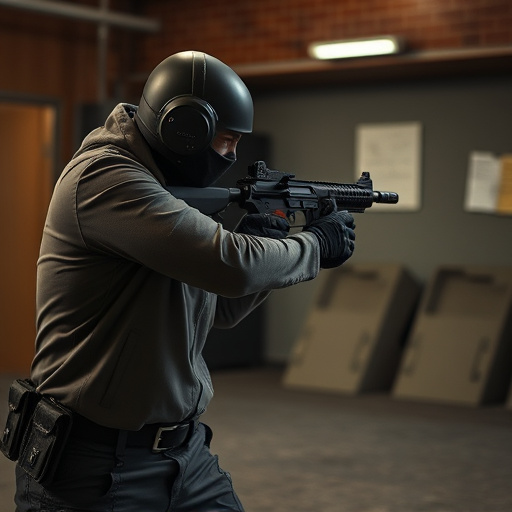
Stun guns, like any weapon, come with a set of legal considerations and regulations that users must understand and adhere to. The legality of stun guns varies significantly across different countries and regions, so it’s crucial to check local laws before purchasing or carrying one. Many areas have specific restrictions on the voltage, capacity, and use cases permitted for stun devices. Some jurisdictions even require permits or registration for ownership.
Proper storage is an essential aspect of safe handling. Stun guns should be kept in a secure location, out of reach of children and unauthorized individuals. Using lockable boxes or safes designed for weapon storage can enhance security. Additionally, ensuring the device is charged but not activated helps maintain its functionality while minimizing accidental discharge risks during storage. Regularly reviewing local regulations and updating your storage practices accordingly is how to store stun guns safely.
Understanding the voltage range, safe storage practices like proper securing and discreet placement, choosing a stun gun suited for your needs, regular maintenance, and awareness of legal regulations are key to ensuring both safety and effectiveness. By following these guidelines, including best practices for how to store stun guns safely, you can make an informed decision and be prepared in case of an emergency.